
Select your country
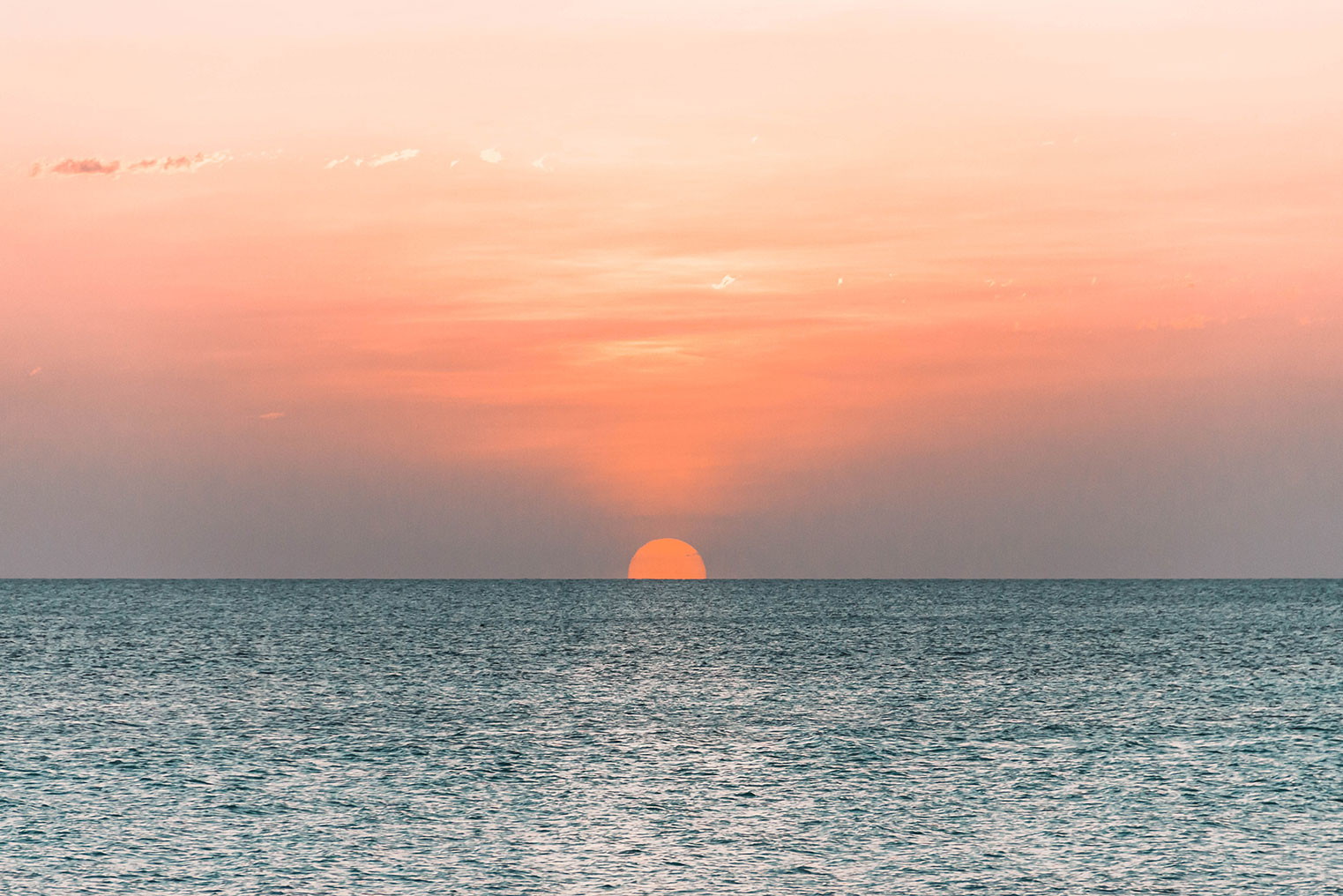
Tanzania is a country of huge open spaces and magnificent wildlife, of palm fringed islands set in turquoise seas, and of a rich mix of cultures and traditions. A vast central plateau slopes down toward the Indian Ocean, framed by three great lakes: Victoria in the north, Tanganyika in the west and Nyasa in the south, with the Rift Valley's big volcanoes rising in the north and a scatter of coral islands offshore.
More than a quarter of the country is given over to national parks, game reserves and protected areas. Above it all stands mighty Kilimanjaro, the highest mountain in Africa, rising 5,895 metres out of the dusty bush of the northern Maasai Steppe, its densely forested slopes giving way to blue glaciers and impossibly white snow on the rounded summit.
Offshore lies the island state of Zanzibar, an archipelago of sandy beaches ringed by colourful coral reefs, with aromatic spice markets among the historic Arabic architecture of Stone Town. It is the ideal choice for balancing safari with a relaxing coastal retreat, or the starting point for the more intrepid to climb Kilimanjaro.
Enquire about TanzaniaDodoma
Tanzanian Shilling
Swahili and English
Julius Nyerere International Airport (Dar es Salaam), Kilimanjaro International Airport, Abeid Amani Karume International Airport (Zanzibar)
The climate is tropical on the coast and islands and temperate in the national parks. October to mid March is the hottest period and June to September the coolest, while the dry central plateau has hot days and cool nights.
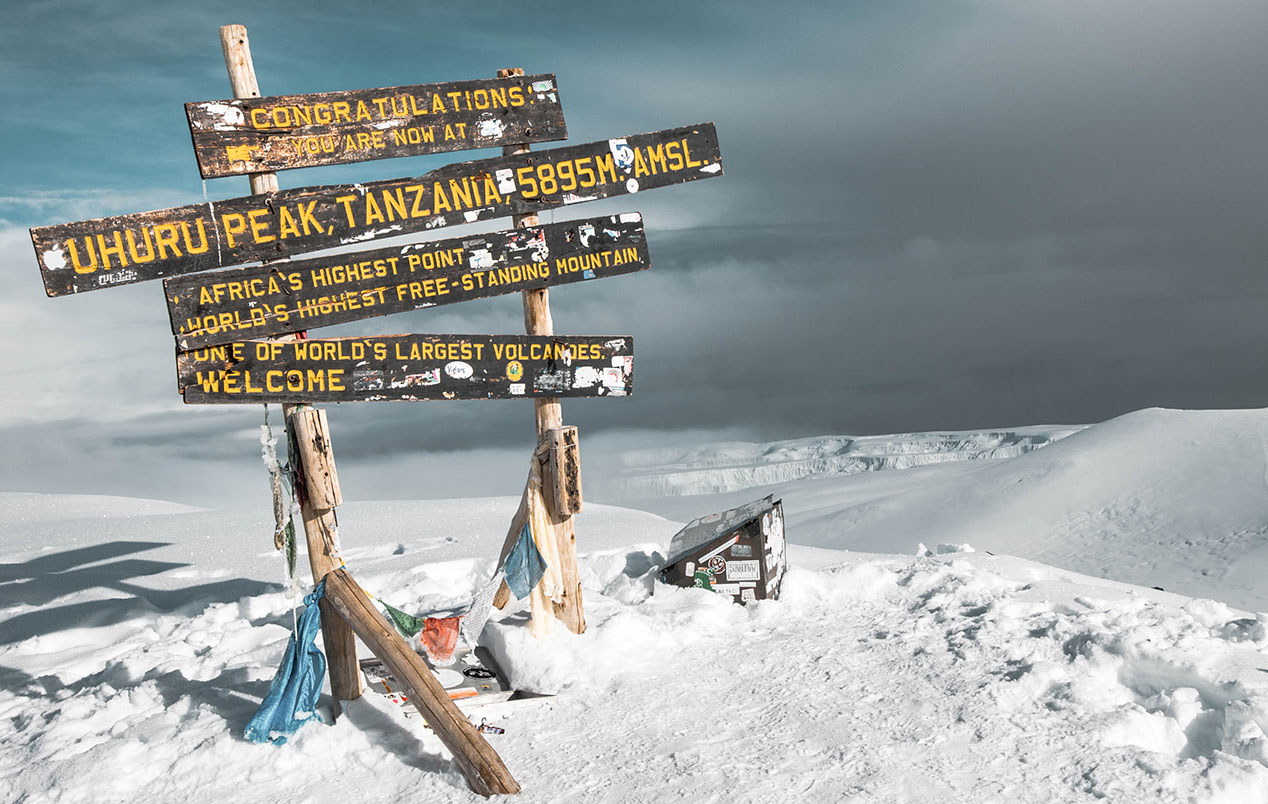
At 5,895 metres Kilimanjaro is the tallest mountain in Africa and the highest free standing mountain in the world. The climb is a must for the more adventurous and can be attempted year round. Its enormous height stacks almost every climate on Earth into five distinct zones as you ascend: rich farmland, rainforest, heather and moorland, highland desert, and the arctic zone at the summit.
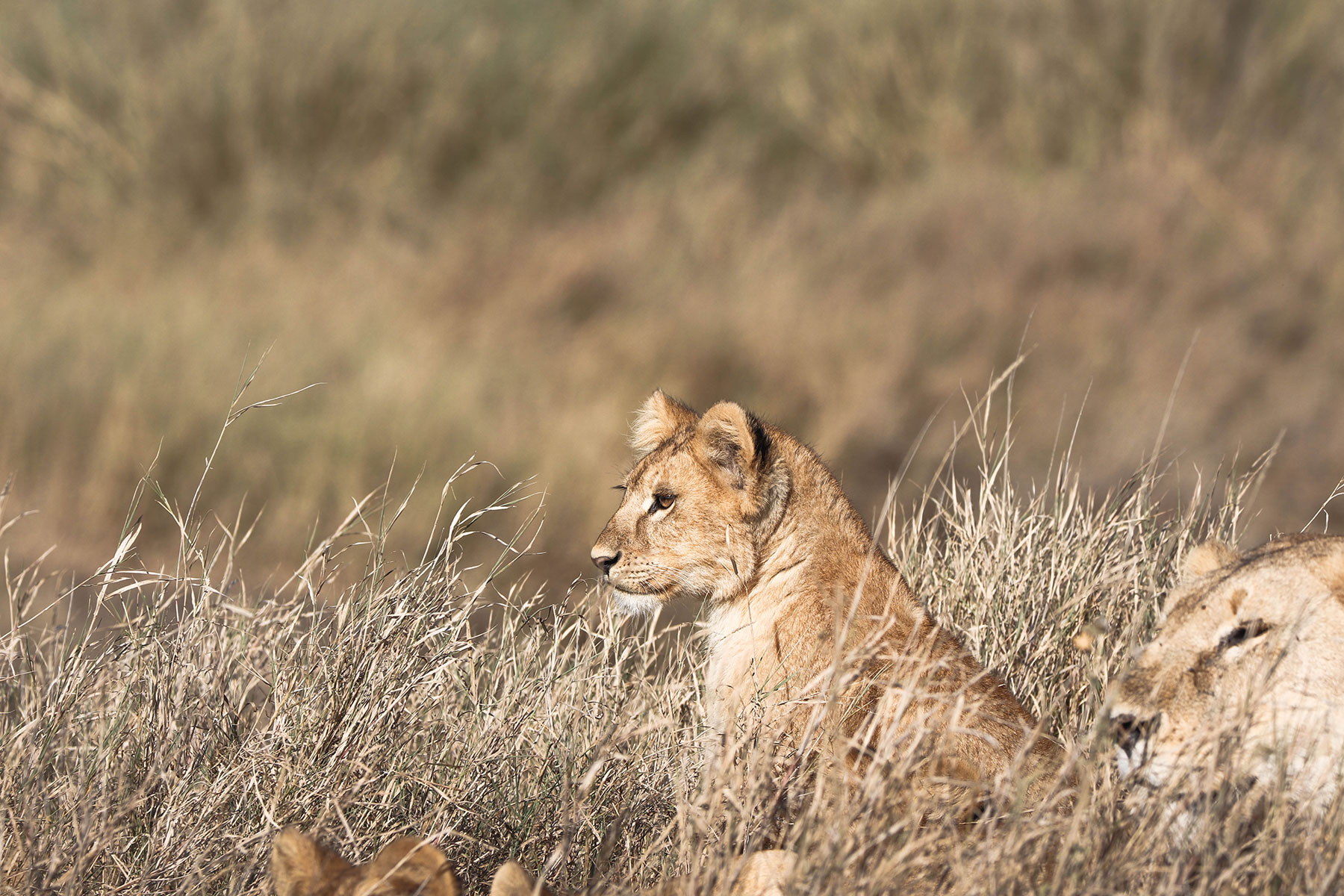
Ngorongoro was an active volcano some eight million years ago; today it is the largest intact caldera in the world and a microcosm of East African scenery and wildlife. Around 25,000 large animals live within the crater itself, which is the best place in Tanzania to see black rhino, along with lion prides that include the distinctive black maned males.
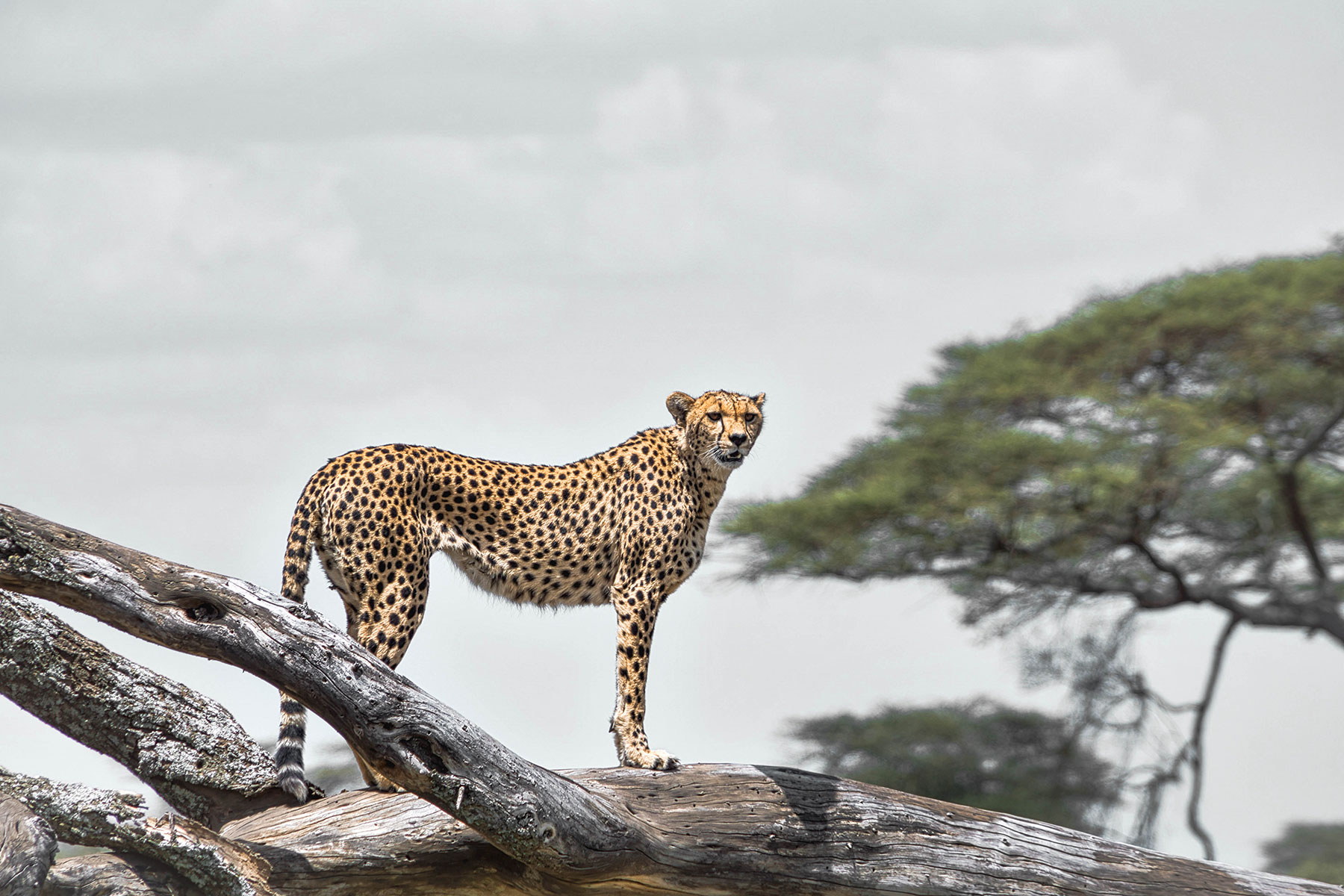
The Serengeti is renowned for its black maned lions and a full company of predators: wild dog, spotted hyena, jackal, cheetah and leopard. In May and June it becomes the starting point of the famous Great Migration, when nearly two million wildebeest and a quarter of a million zebra move off in winding columns several miles long toward the Maasai Mara.
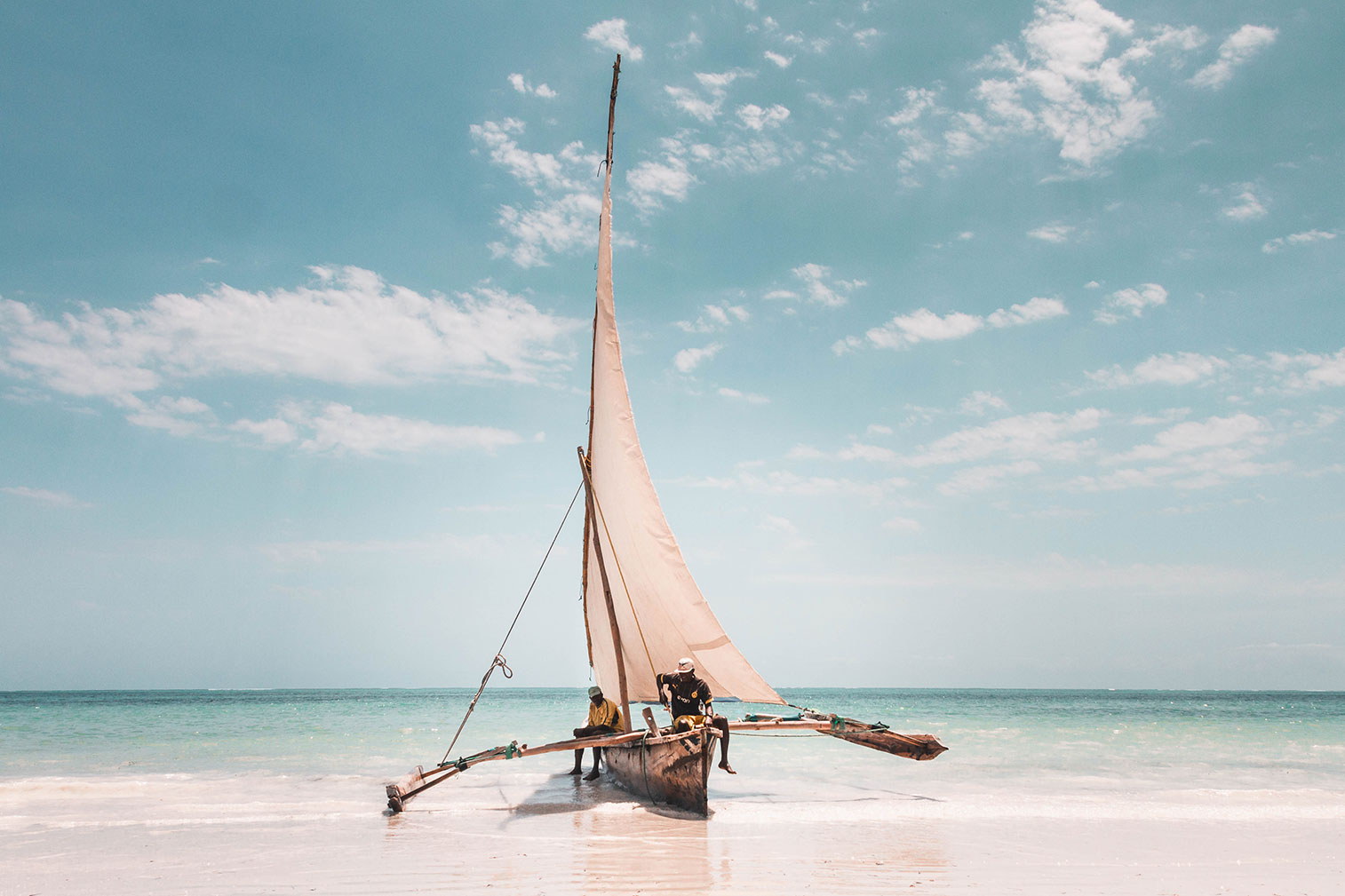
Few places conjure the idea of paradise like the fabled spice islands of Zanzibar, Pemba and Mafia. Lush tropical vegetation flourishes everywhere alongside the aromas of clove and cinnamon, and the warm Indian Ocean hosts a wealth of pleasures: unhurried rides in traditional dhow sailing boats, colourful snorkelling over the surrounding reefs, and the magic of swimming with wild dolphins.
Chat to one of our travel experts to design your trip to any of our destinations.
Enquire now